
July 12, 2026 · 5 min read
That 'Little' Leak: How to Trace a Water Stain to Its Source
A water spot on the ceiling is just the symptom; the real problem is often somewhere else on your roof. This post helps an anxious homeowner play detective to understand the likely culprits before calling a pro.
Ankeny Handyman Project Help: Tracking Down That Mystery Ceiling Stain Without the Chaos
That brown spot on your living room ceiling is a classic sign of trouble. But if you think the root of the issue is directly above it, you are probably wrong. Water is incredibly deceptive. It can travel a long way from its original entry point, sneaking along rafters and beams before it finally finds a place to drip and reveal itself.
Water always follows the path of least resistance. It finds a way under a shingle, hits the roof decking, and then gravity takes over. It will run down the slope of the roof sheathing until it hits an obstruction, like a rafter, a pipe, or even an electrical wire. From there, it travels along that new path, sometimes horizontally, before it finds a joint or a low spot in your ceiling to pool and soak through the drywall. A leak over your garage could easily show up as an ugly stain in your kitchen.
When you are dealing with water damage, getting the problem fixed should not add to the headache. Let's look at how water moves, how to spot the source safely, and how to get it handled without the contractor runaround.
Common Travel Paths and Faulty Culprits
More often than not, leaks do not start in the middle of an open field of perfect shingles. They happen where something interrupts the roof surface. These are the most common offenders we see around the Ankeny area, from established neighborhoods near Otter Creek to properties closer to Saylorville Lake:
- Roof Penetrations: Anything that sticks out of your roof is a potential weak point. The rubber boot (often called a pipe jack) around a plumbing vent stack is the number one culprit. Years of intense Iowa sun and heavy freeze-thaw cycles cause the rubber to dry out, crack, and fail. Water slips in, runs down the outside of the pipe, and can travel deep into your home's framing.
- Flashing: These metal pieces are designed to direct water away from joints. Flashing around a chimney, a skylight, or where a dormer wall meets the roof line is a frequent failure point. Caulk can crack, metal can get warped by seasonal storms, or a piece of step flashing can work itself loose over time.
- Valleys: Where two roof slopes meet, a valley channels a massive volume of water. If leaves, twigs, and debris build up here, which is a common issue in established, heavily wooded Ankeny neighborhoods, they can form a dam. Water backs up and is forced sideways right underneath the shingles.
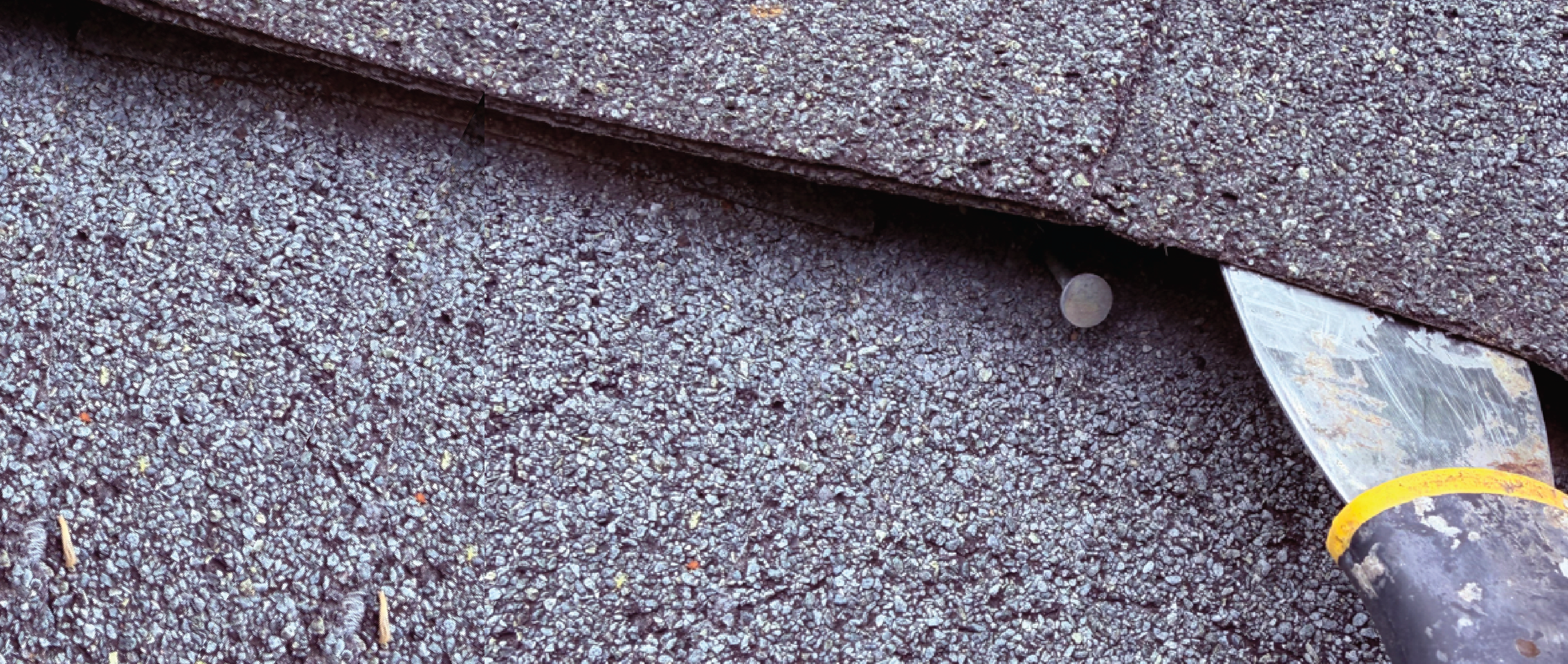
- Nail Pops: Sometimes a roofing nail just misses the structural rafter below. As the wood naturally expands and contracts with Iowa's changing humidity, it can push the nail upward, breaking the seal on the shingle directly above it.
A Safe, Ground-Level Inspection Checklist
You do not need to pull out a tall ladder or walk a steep roof pitch to get an idea of what is going on. You can stay safely on the ground and use a pair of binoculars to look for obvious visual trouble signs:
- Scan the Shingles: Look for any shingles that are completely missing, torn, or look like they are curling up at the edges.
- Check the Vents: Zoom in on those plumbing pipe vents. Do the rubber boots look cracked, rotted, or pulled away from the pipe?
- Examine the Flashing: Look for signs of rust, gaps, or separation on the metal surrounding your chimney or skylights.
- Look in Your Gutters: Are they sagging, packed with debris, or overflowing with shingle granules? A heavy loss of granules means your shingles are nearing the end of their lifespan and losing their shedding ability.
Telltale Signs in Your Attic
If you can get into your attic safely, it is the absolute best place to find definitive proof of a path. The ideal time to look is during a steady, heavy rain when you can see active moisture. If it is currently dry, you will just need a good flashlight.
Don't look down at the ceiling drywall yet. Look up at the underside of the roof deck. You are tracking down specific clues:
- Dark Streaks: Follow dark water stains on the plywood sheathing. These act as the highways water travels on. Follow them upward to find the true entry point.
- Wet Insulation: Feel the insulation directly below the suspected leak area to see if it is damp, moldy, or compressed.
- Daylight: On a bright day, turn off your flashlight entirely and look for tiny pinholes of light poking through the deck. If light can get through, water definitely can.
- Rusted Nails: Look for nails sticking through the roof deck that are heavily rusted or have dark, rotted circles in the wood around them.
Getting Local Home Repairs Handled Without the Chaos
A small ceiling stain is a warning sign. Addressing the source quickly is the absolute key to preventing massive drywall repairs, structural rot, and mold issues down the road. But tracking down a mystery leak, coordinating a quick repair, and fixing the damaged drywall inside usually means calling three different people who may or may not ever call you back.
At Iowa Home Consulting, we believe local home services should feel professional, organized, and entirely human. We handle your home repair projects, punch lists, and interior updates with clear communication and real follow-through. Whether you live in a classic home in Northwest Ankeny or a newer development near Prairie Trail, we will help you identify the issue, get the right repair strategy in motion, and ensure your interior ceiling looks flawless again without the traditional contractor runaround.
If you have a home repair project or a stubborn punch list item you have been putting off, reach out to Iowa Home Consulting today. We will get it handled.